Seventy years after John McCarthy and his collaborators coined the phrase artificial intelligence on Dartmouth’s campus, we return to the question they first asked—and to the new ones only possible now.


Free Registration

The summer that named a field.

In July 1956, ten researchers gathered in Hanover, New Hampshire, for an eight-week workshop proposed by a young Dartmouth mathematician named John McCarthy.

Their proposal, submitted to the Rockefeller Foundation a year earlier, contained two words no one had used together before: artificial intelligence.

The field they named has, seventy years later, become the defining technology of our century. This conference is a return — not to repeat that summer, but to pose the next set of questions with the same seriousness, and in the same company.

The judgment premium.

In an era of abundant intelligence, judgment becomes the scarce resource. The question facing every leader, clinician, founder, and policymaker is no longer whether AI can do the work — it is where genuine authority should sit, and where assistance is enough.

Dartmouth’s institutional bet is that human judgment is a differentiable and foundational skill for the AI era — not an anachronism, but a competence to be named, taught, and exercised with intention.

This conference is structured around that bet. Every session asks a version of the same question: when should AI be assistive, and when should it be authoritative?

Six sessions. One day.

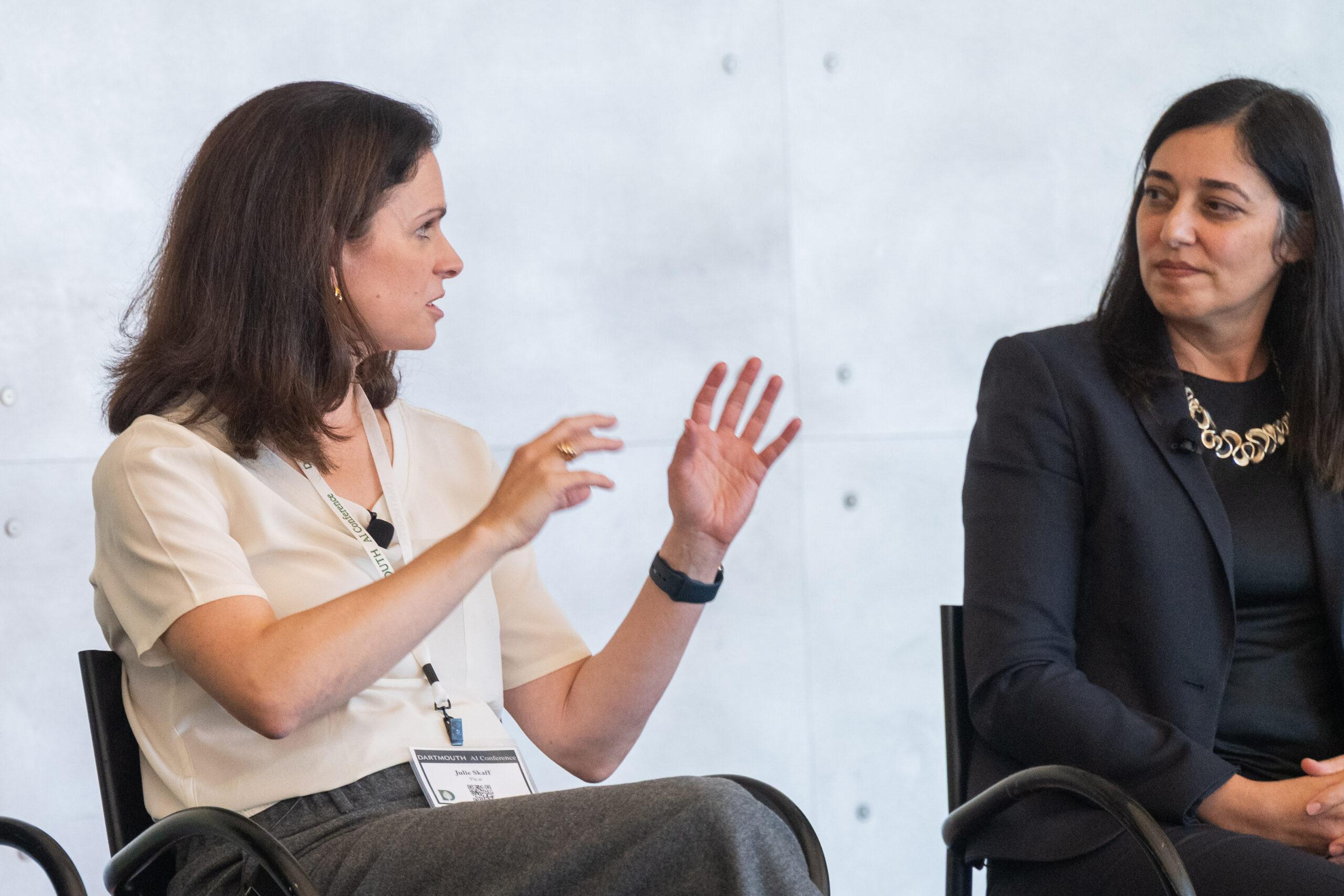
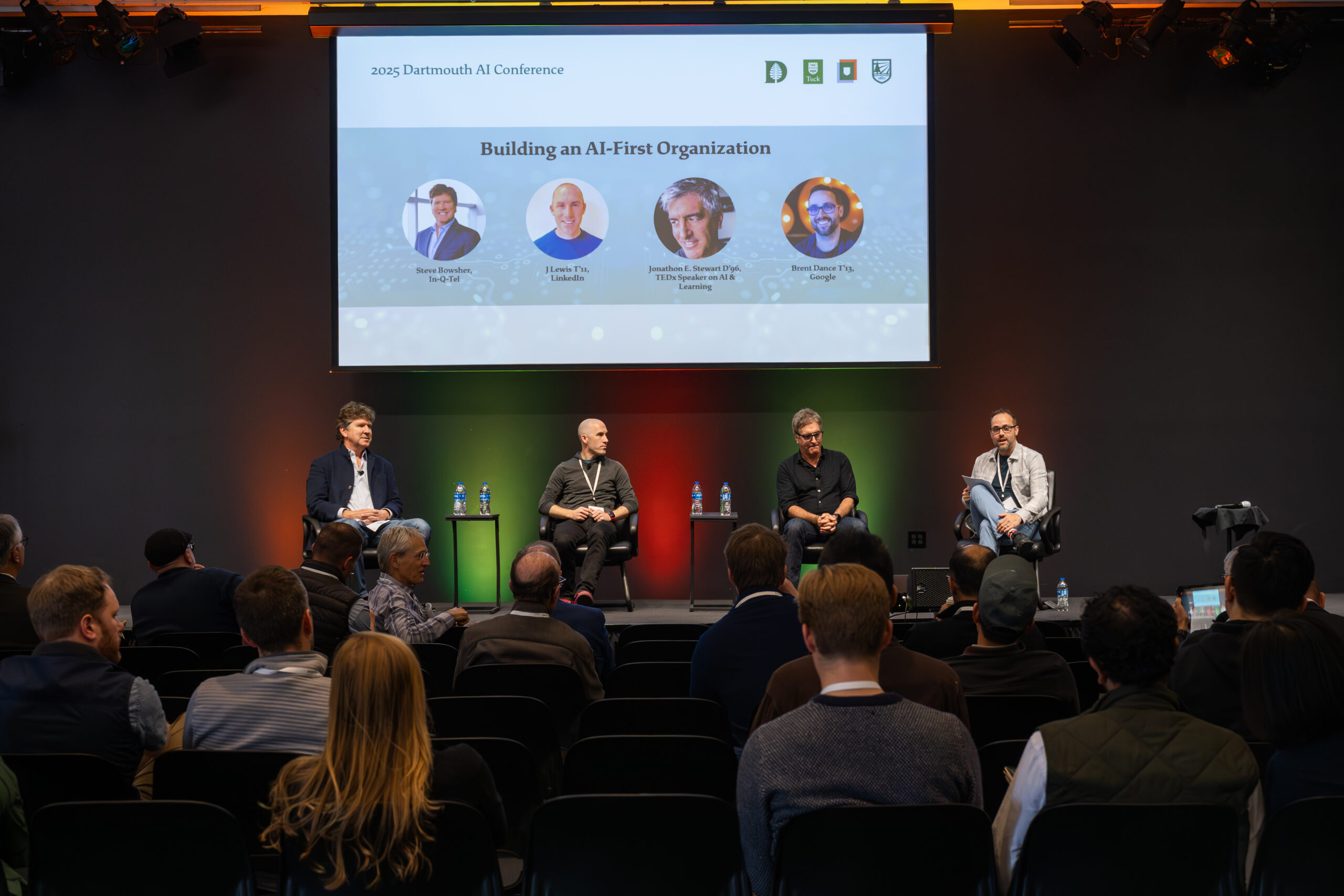
A day-long program built around six main-stage sessions. Formats deliberately vary — fireside chats, structured debates, Chatham House discussions, and an interactive closing case — to generate genuine insight rather than rehearsed remarks.

The Speakers

Operators, policymakers, and strategists — selected for the decisions they are actually making in the AI era.
Additional speakers will be announced through the spring and summer.

The Computer History Museum.

A fitting vantage point for a conference about the next seventy years: the institution that preserves the machines on which the first seventy were built.

Mountain View sits at the heart of the industry Dartmouth helped name. The venue, the timing, and the theme are deliberately aligned.

A Dartmouth community gathering.

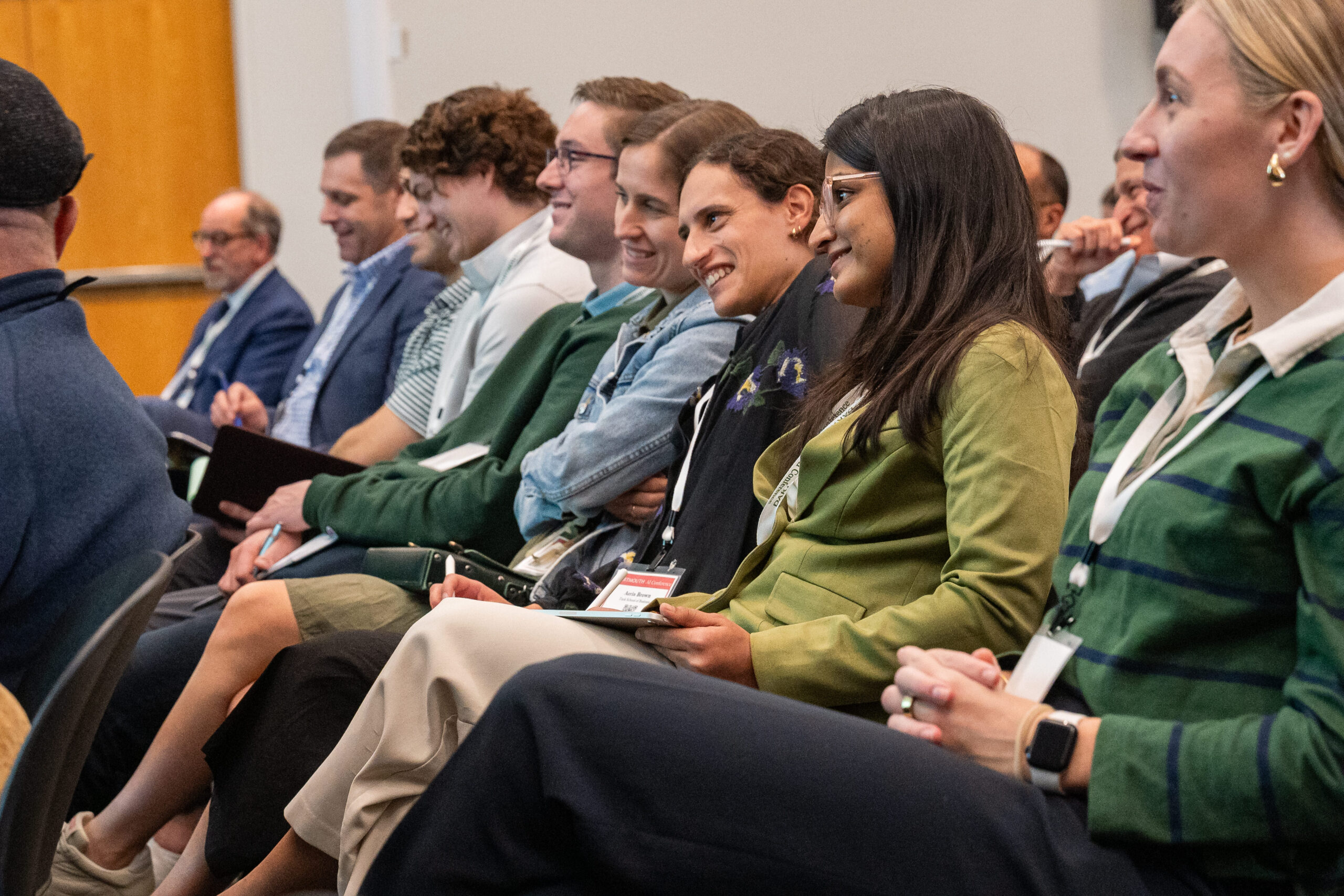
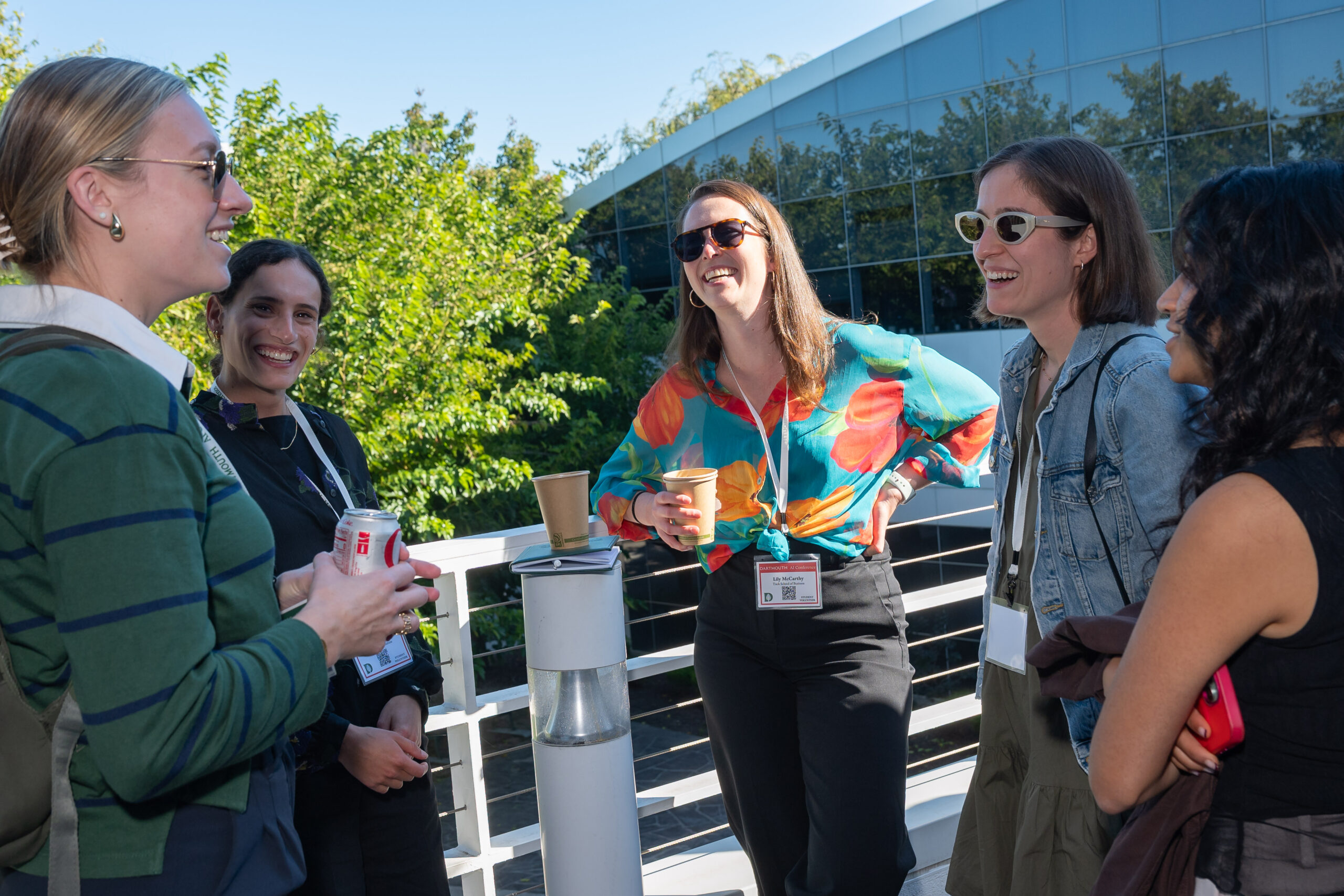
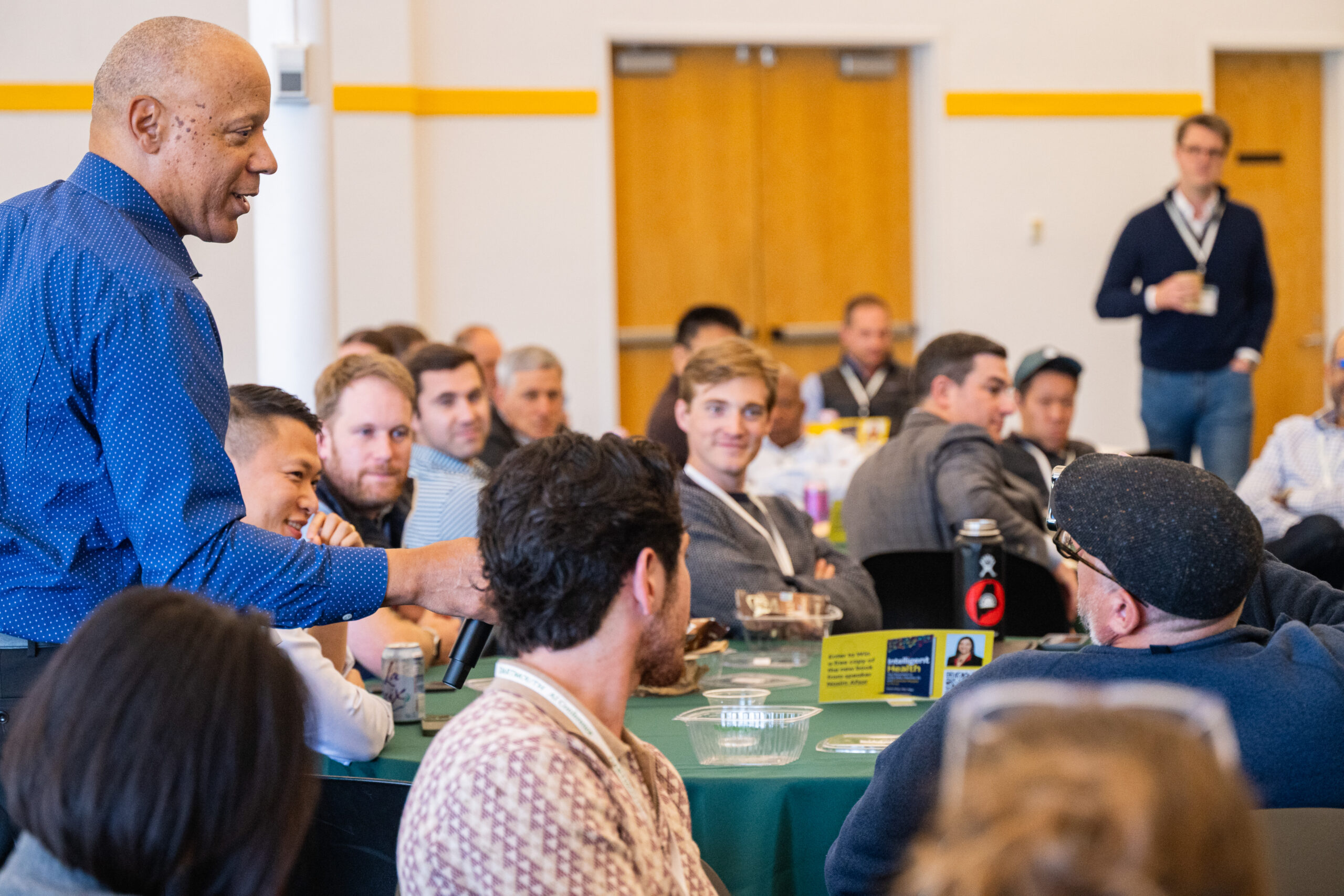
The Dartmouth AI Conference is the singular annual moment when Dartmouth’s AI community — across classes, industries, and coasts — convenes in one room.

The conference is closed to the general public. If you are part of the Dartmouth community — an alum of any Dartmouth school, a parent of a current student, faculty, staff, or a current student—you are welcome.
For sponsorship inquiries, contact the conference team.

Registration required by October 1.


Free Registration

Ani Kelkar

Ani Kelkar, PhD, is a Partner at McKinsey & Company and the Global Leader of McKinsey’s Robotics & Automation practice. He advances Physical AI globally by shaping the firm’s research agenda and client service strategy and connecting stakeholders across the ecosystem.

Ani is a leading voice in the physical AI space, with publications in Harvard Business Review, The Atlantic, and multiple McKinsey platforms, and he frequently speaks at conferences such as CES, Humanoids Summit, and Ride AI. His recent contributions include “Transforming Industries with Physical AI” (CES, January 2026), “How to Successfully Automate in Manufacturing” (Harvard Business Review, September 2025), and “When Humanoid Robots Come to a Small-Town Factory” (Wall Street Journal, March 2026).

As a Partner at McKinsey & Company, he advises incumbents, investors, and disruptors across the robotics and automation landscape. His recent client work includes supporting a leading robotics disruptor on product strategy, business planning, and go-to-market execution, culminating in a multi-billion-dollar fundraising round and commitments for more than 10,000 units. He has also advised the Board of Directors of a major automotive technology company on the impact of humanoid robots on operations, contributing to the establishment of a “factory of the future.”

An engineer by training, Ani earned his PhD from Purdue University and his bachelor’s degree from the Institute of Chemical Technology in India.

Bradley Webb

Bradley Webb is COO of Surge AI, the human data company behind the world’s frontier AI labs. Surge is bootstrapped, profitable, and has produced billions in revenue. Bradley joined as the third employee and has run nearly every part of the business — today he focuses on scaling Surge’s core business and launching its newest lines into their own nine-figure businesses.

David H. Picotte

David Picotte is the Senior Vice President of Strategy & Portfolio Growth – Americas, at Vertiv, a global leader in critical digital infrastructure. As artificial intelligence reshapes computing demands, Vertiv focuses on addressing the physical realities of high-density AI deployments, including advanced liquid cooling architectures, next-generation power delivery, and scalable data center ecosystems. David leads a multi-disciplinary organization including the Strategy, Product Management, Technical Sales and Application Engineering, Pricing, and Marketing teams. Under his leadership, these teams collaborate to capture market opportunities, drive revenue and margin growth, and engineer tailored, industry-leading solutions for complex customer applications.

Since joining Vertiv in 2018, David has held multiple executive leadership roles across strategy and finance. Prior to Vertiv, he led strategic finance and M&A initiatives at Bread Financial and held roles in investment banking and asset management at Bear Stearns, Lehman Brothers, and J.P. Morgan Chase. David earned an MBA from the Tuck School of Business at Dartmouth and a bachelor’s degree from the College of the Holy Cross.

Erika Wool T’11

Erika leads the business team at Liquid AI, a 3-year-old foundation-model company that spun out of MIT’s Computer Science and Artificial Intelligence Laboratory (CSAIL). Liquid builds general-purpose AI systems that enable advanced AI to run anywhere–from phones, cars, and laptops to satellites and on-prem infrastructure–with no internet required. Prior to Liquid, Erika led global product partnerships and business development teams at Google and Stripe. She started her career as a research associate at the Council on Foreign Relations and is a graduate of Tufts University and the Tuck School of Business at Dartmouth.

Julie Brill

Julie Brill advises organizations, policymakers, and thought leaders seeking to align innovation and AI adoption with evolving regulations and data governance standards. Julie helps enterprises deploy AI responsibly, advising government leaders and other stakeholders on how to effectively regulate advanced digital technologies, and enabling organizations to navigate complex regulatory environments.

With more than three decades of leadership shaping how businesses and governments navigate complex challenges, Julie is a globally recognized authority in the fields of technology, regulation, and governance. Julie has been consistently recognized as one of the foremost voices in privacy, data protection, cybersecurity, AI governance, antitrust, and consumer protection. Her career spans senior executive roles inside multinational technology companies, unanimous Senate-confirmed public service at the highest levels of U.S. regulation, and decades advising global enterprises on complex regulatory strategy.

As National Advisor to Manatt, Phelps, and Phillips, Julie serves in a strategic advisory capacity for a multidisciplinary, integrated professional services firm providing legal, consultancy and technology guidance to its clients. Julie delivers strategic advice to clients and engages with boards and senior executives to help organizations design strategies for deploying and advancing AI and data governance systems that demonstrate trustworthiness, foster innovation and work in the real world.

Julie is a Non-Executive Board Member of Ethyca, which offers technical solutions focused on data governance for AI and privacy. She provides fiduciary oversight and strategic guidance to drive the company’s mission to help enterprises thrive by using and protecting data through trustworthy technical systems that foster innovation.

Julie is an Expert in Residence at Harvard Law School and an Affiliate of Harvard’s Berkman Klein Institute for Society and the Internet, where she collaborates on global tech and regulatory policy approaches and interacts with students, faculty and the broader Harvard community. She also serves as a Governor and Senior Fellow for The Ditchley Foundation (UK) where she is currently leading a program to help create an international forum to address digital sovereignty questions across nations, governments, civil society and the private sector.

Julie’s current portfolio allows her to focus on enabling people and organizations to thrive in an increasingly complex digital and regulatory world by:

Julie recently retired from Microsoft, where she served for 8 years (2017-2025) as Corporate Vice President for Privacy, Safety and Regulatory Affairs, Corporate Vice President for Global Technology and Regulatory Policy, and Chief Privacy Officer. In these roles, Julie led the company’s global privacy, safety, and regulatory affairs strategy through a period of intense technological and geopolitical change. She drove large scale organizational alignment across global governance and policy frameworks, including internal adoption and operationalization of the European Union’s General Data Protection Regulation (GDPR). She helped define technical infrastructure and policy frameworks that were the foundations for solutions around AI governance, sovereignty, data localization and divergent regulatory frameworks around the world. Championing responsible and efficient approaches to AI, data use and privacy, Julie influenced policy worldwide.

Prior to Microsoft, Julie served as Commissioner of the U.S. Federal Trade Commission, a role to which she was unanimously confirmed by the Senate. At the FTC, she set agency-wide priorities across policy and enforcement, authored decisions shaping digital competition and consumer protection, and participated in discussions to address transatlantic data flows and other trust issues between the US and the European Union. Widely recognized as “the Commission’s most important voice on internet privacy and data security issues,” Julie played a defining role in establishing global regulatory norms for the digital economy.

Julie also was a Partner and Co-Director of the Privacy and Cybersecurity Practice at the Hogan Lovells law firm, where she guided multinational corporations through complex regulatory landscapes in cybersecurity, advertising, and data protection.

Earlier in her career, Julie held senior leadership positions at the North Carolina Department of Justice and the Vermont Attorney General’s Office, where she led regulatory, litigation, and policy strategies spanning consumer protection, antitrust, utilities, and privacy.

Karen Fortuna

Dr. Karen L. Fortuna is an Associate Professor of Community and Family Medicine at the Geisel School of Medicine at Dartmouth, Founding Director of the Patient Innovation Lab, and a Licensed Independent Clinical Social Worker. Her work sits at the intersection of digital health, artificial intelligence, healthcare strategy, and implementation, with a focus on designing and scaling technologies for populations underserved by traditional healthcare systems. The Patient Innovation Lab brings together patients, caregivers, healthcare organizations, policymakers, and payers to co-design, evaluate, and scale digital approaches to chronic disease self-management.

Dr. Fortuna brings a national health policy, payer, and quality-measurement perspective to digital innovation. She serves on CMS Technical Expert Panels related to healthcare quality and payment and participates in CMS health technology innovation efforts. She is also a member of the National Academies of Sciences, Engineering, and Medicine Standing Committee on Primary Care and Achieving Whole Health and previously chaired PCORI’s Patient Engagement National Advisory Council.

Dr. Fortuna has authored more than 140 peer-reviewed publications and has received funding from NIMH and PCORI. Across her research and policy work, she focuses on a central strategic challenge: how to move digital and AI innovations beyond pilots and successfully integrate, finance, and scale them within real-world healthcare systems.

Nicole Lopez

A recognized authority on youth online safety, Nicole is a conduit between tech platforms and policymakers on their shared mission to protect users – particularly kids and teens – online.

Nicole served for almost 4 years at Meta Platforms as Global Director of Youth Safety Policy and as lead for Global Youth Litigation Strategy. She has deep experience working with innovators to develop and scale policy strategies and tech solutions to create spaces for positive online experiences that protect kids and teens while enabling responsible innovation.

Her work as product, policy and litigation strategy counsel has been instrumental in helping organizations anticipate and manage youth online safety risk in a rapidly evolving technology, regulatory and legislative landscape. For example, she helped Meta develop and execute strategy, and led AG engagements, both in house and at Orrick, in connection with the company’s recent historic settlement with the State Attorneys General to keep teens safe.

Having served as product counsel and as a Trust & Safety executive at tech companies at all stages, Nicole brings unmatched credibility and insight to interactions with regulators. She has presented to State Attorneys General and to the European Commission on both proactive product developments and contentious issues, including investigations and enforcement matters. She is an advocate for clients, constantly looking to drive alignment on effective policy and balanced resolutions. She has testified extensively before state legislative bodies and regulators, and led engagements with policymakers in the U.S., EU, Middle East and Asia, on critical issues impacting teens’ and children’s safety online.

A former California state prosecutor with 8 years of experience prosecuting child abuse and child exploitation cases – and with over 50 jury and bench trials under her belt – Nicole draws on her courtroom skills in service of her advocacy work opposite lawmakers and regulators, as well as in advising clients on litigation strategy.

Nicole frequently speaks at industry events, engaging with policymakers, parents and teens, technology leaders and subject-matter experts to drive forward-thinking solutions.


Sandy Fedor

Sandy Fedor leads product teams building the next generation of in-vehicle experiences at GM, where software, AI, mobility, and consumer-grade design are coming together to redefine vehicle ownership.

Her work sits at the intersection of consumer product, automotive software, connected services, and large-scale platform transformation.
Previously, she helped scale consumer products at Walmart, including creating online grocery and subscription/commerce experiences like Walmart+, and earlier worked across startups, retail, and financial services. She brings a general management lens to product: customer insight, business model, operating model, technical execution, and team-building.

Teresa N. Burlison

Teresa N. Burlison has spent her career helping technology companies navigate moments of consequential change—from IPOs and acquisitions to AI governance, regulatory scrutiny, and evolving workforce issues. She is Vice President and Deputy General Counsel at GlobalLogic, a Hitachi company, where she leads legal strategy for AI, litigation, and employment law worldwide, and serves on the company’s AI Ethics Committee. Before joining GlobalLogic, she served as General Counsel and Corporate Secretary at Sparrow, an employee leave management and compliance platform, and as General Counsel and Chief Administrative Officer at Medium. Earlier in her career, Teresa led litigation, regulatory, and employment law at Dropbox, serving before and after the company’s successful IPO. Before moving in-house, she spent nearly 15 years practicing law in Silicon Valley, including at Morrison & Foerster and Baker McKenzie.

Teresa is Executive Advisor to the Center for Digital Strategies at the Tuck School of Business at Dartmouth. She has spoken on the emerging legal, business, and governance challenges of AI at the UC Berkeley Law AI Institute and The Female Quotient, and co-authored Responsible AI: Balancing Regulation, Ethics, and the Future (2024), published in collaboration with Women Defining AI and UC Berkeley Law Executive Education.

css.php